Spring Planning for Concrete Block Construction Projects
Spring is the perfect time for property owners to plan and connect with local contractors for durable concrete block construction projects.
Spring is a popular season for concrete block construction projects because it offers favorable weather conditions that facilitate outdoor work. As temperatures begin to rise and the risk of winter-related disruptions diminishes, property owners often find spring to be an ideal time to plan and initiate construction or renovation projects involving concrete blocks. The season’s moderate climate helps ensure that materials cure properly and that work can progress steadily without the complications that colder or wetter months might bring. This period also provides an opportunity to refresh outdoor spaces, such as building or repairing retaining walls, garden borders, or fencing structures, setting a solid foundation for the warmer months ahead.
Concrete block construction services typically cover a range of applications, including the installation of new walls, retaining structures, planters, or decorative features. Service providers often assist with site preparation, block layout, and the actual stacking or setting of blocks using appropriate techniques and materials. Many local contractors also offer advice on design options, durability considerations, and integration with existing landscaping or structures. Whether the goal is to enhance privacy, improve property security, or add aesthetic appeal, these services are designed to support property owners through each stage of the project, ensuring that the finished work meets both functional and visual expectations.
When evaluating local concrete block construction options, property owners can compare different service providers based on experience, reputation, and the scope of services offered. It’s helpful to review portfolios or ask for examples of past projects to gauge the quality of work. Additionally, consulting with multiple contractors can provide insights into their approach, attention to detail, and willingness to customize solutions to specific needs. By considering factors such as project familiarity, communication style, and the range of services available, property owners can make informed decisions and select local contractors who are well-suited to handle their concrete block projects effectively and reliably.
Compare local contractors' expertise and experience to choose the best team for your spring concrete block project.
- Durability and Strength - Concrete block construction offers a sturdy and long-lasting building option suitable for various projects.
- Design Flexibility - Local contractors can provide a range of aesthetic options to match seasonal updates or landscaping plans.
- Energy Efficiency - Using concrete blocks can contribute to improved insulation and energy savings for spring renovations.
- Ease of Installation - Experienced service providers can efficiently handle the setup and customization of concrete block structures.
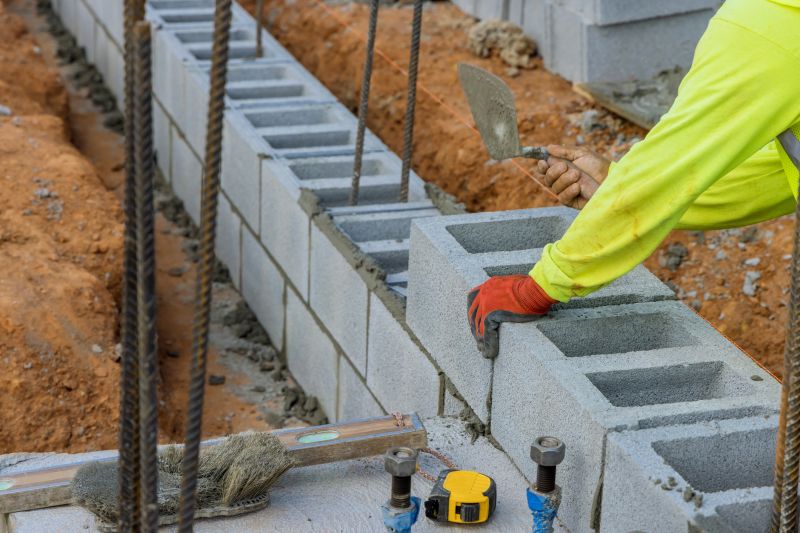
Before comparing options, clearly describe your concrete block construction project to help local contractors provide suitable solutions.
- Inspect the foundation for any cracks or signs of settling that may affect block stability. - Ensure the surface is level and properly prepared before beginning construction.
- Verify that the chosen concrete blocks meet the project’s structural and aesthetic requirements. - Confirm that the blocks are suitable for the intended application and climate conditions.
- Discuss the proper placement and alignment of blocks to achieve a uniform and secure wall. - Proper jointing and mortar application are essential for durability and appearance.
- Check for adequate drainage considerations to prevent water buildup and potential damage. - Proper grading and drainage solutions should be incorporated into the design.
- Evaluate the need for reinforcement, such as rebar or wire mesh, to enhance wall stability. - Reinforcement options should be discussed with local contractors experienced in concrete block projects.
- Plan for seasonal weather impacts that could affect curing and setting processes during spring. - Weather conditions may influence construction techniques and timing for optimal results.
Use concrete block construction ideas to refine your project scope with trusted local contractors.
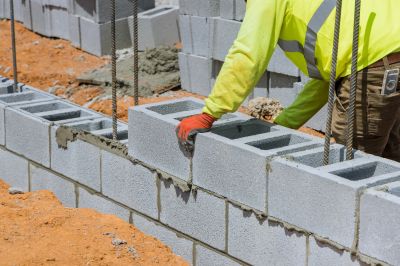
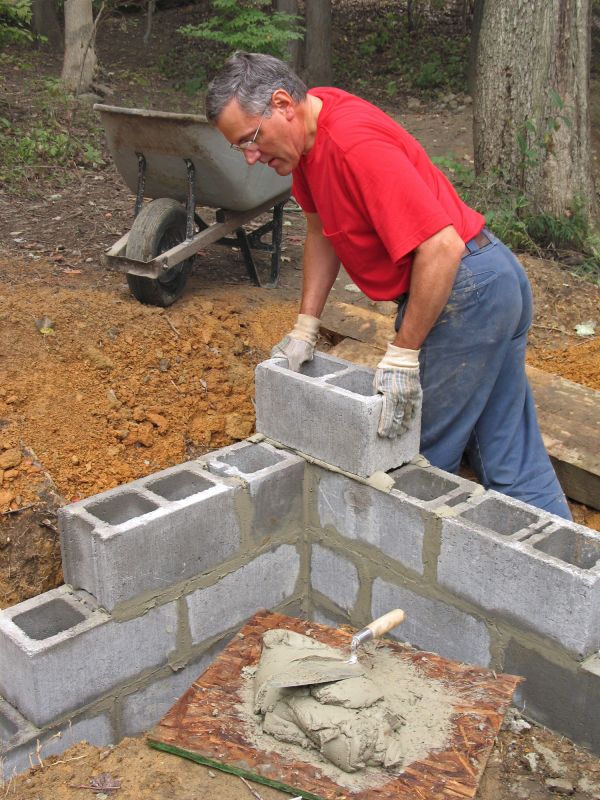
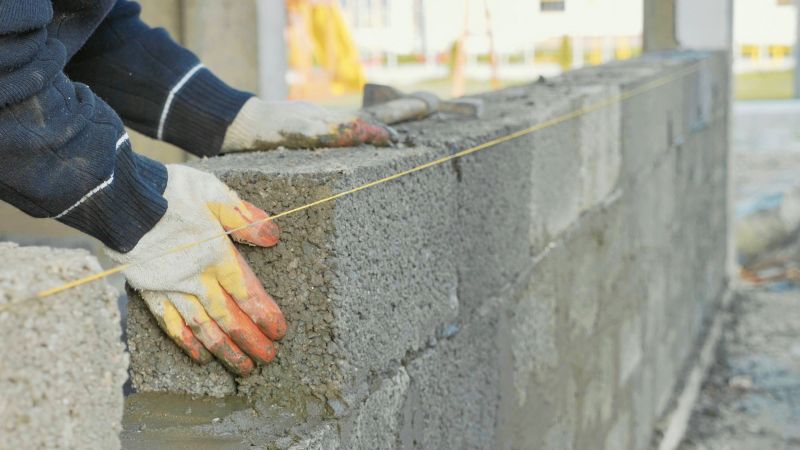
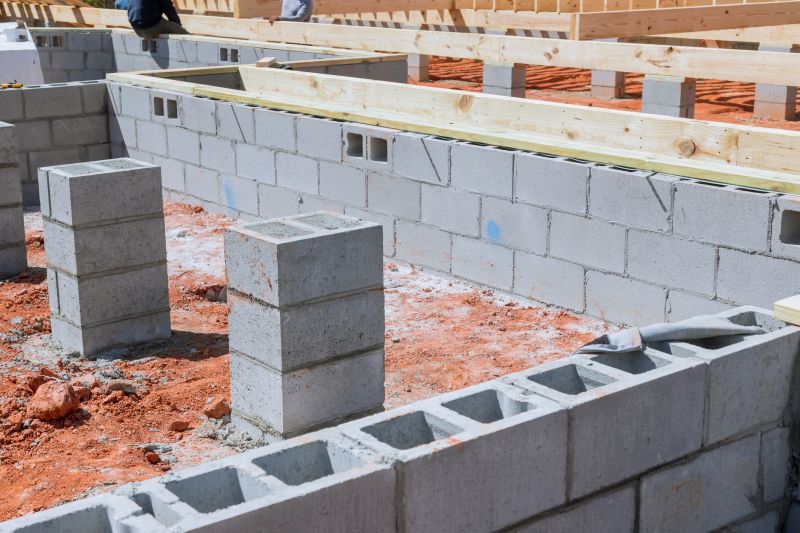
Prioritize your project goals and compare local contractors to find the best fit for your spring construction plans.
- Garden Walls - Spring is an ideal time to build or enhance garden walls with concrete blocks to define outdoor spaces and improve curb appeal. Local contractors can help design and construct durable, attractive walls suitable for various landscaping needs.
- Patio Borders - Creating borders around patios or walkways with concrete blocks can add structure and style to outdoor living areas during spring. Service providers can assist with installing functional and decorative borders that complement existing landscapes.
- Retaining Walls - Spring offers a chance to install or repair retaining walls using concrete blocks to manage soil erosion and create level outdoor spaces. Local contractors can handle the structural requirements for long-lasting, stable walls.
- Planter Boxes - Building custom planter boxes with concrete blocks can refresh garden beds and outdoor decor for the season. Local service providers can help design and assemble planters that enhance spring planting projects.
- Outdoor Fire Pits - Constructing outdoor fire pits with concrete blocks is a popular spring project for outdoor gatherings. Local contractors can assist in designing and building safe, functional fire features to enjoy during warmer weather.
Compare different service providers to find consistent scope details for your concrete block construction project this spring.
- Project Scope - Clearly define the size, layout, and purpose of the concrete block construction project.
- Material Specifications - Specify the types and quantities of concrete blocks to be used for the build.
- Site Preparation - Outline the necessary groundwork, including excavation, leveling, and foundation requirements.
- Design Details - Include plans for wall heights, openings, reinforcement, and aesthetic finishes.
- Local Contractor Requirements - Identify the qualifications and experience needed from service providers handling concrete block construction.
When evaluating local contractors for concrete block construction during the spring season, it’s important to consider their experience with similar projects. Homeowners should inquire about the types of structures or features the service providers have worked on in the past, such as retaining walls, garden enclosures, or foundational elements. An understanding of a contractor’s background with projects comparable in scope and complexity can help ensure they are familiar with the unique challenges that spring weather and soil conditions may present. Experience in handling seasonal variations can contribute to a smoother construction process and a more durable finished product.
Clarity in the scope of work is essential when comparing different service providers. Homeowners should look for contractors who can clearly outline what is included in their services, from site preparation and material selection to final finishing details. A well-defined scope helps prevent misunderstandings and ensures that all parties share the same expectations. When discussing the project, it’s helpful to ask service providers to specify the materials they plan to use, the estimated work phases, and any additional considerations unique to spring construction, such as moisture management or soil stabilization.
Work planning considerations are particularly relevant during the spring season, as fluctuating weather can impact construction schedules. Homeowners should evaluate how local contractors plan their work around unpredictable spring conditions, including potential delays due to rain or temperature changes. Experienced service providers often have contingency plans to adapt their schedules and ensure the project progresses efficiently. Additionally, understanding how they coordinate with other trades or prepare the site for spring-specific challenges can provide insight into their organizational capabilities and commitment to a well-managed project.
When comparing options, homeowners should focus on the contractors’ communication and project planning approach rather than solely on price. It’s beneficial to ask how they approach project timelines, coordinate with other service providers, and address any seasonal considerations that may affect the work. Evaluating their ability to provide detailed explanations of their processes and to answer questions thoroughly can help determine their professionalism and reliability. By gathering this information, homeowners can make informed decisions about which local pros are best suited to handle their concrete block construction needs during the spring season.
Request written details to ensure scope clarity and consistency for your spring concrete block project.
- Provider Comparison - How do different local contractors compare in their experience with spring concrete block projects?
- Scope Definition - What specific services and materials should be included when planning a concrete block construction in spring?
- Material Selection - Which types of concrete blocks are most suitable for spring installation and how do providers differ in their recommendations?
- Project Planning - How can local service providers help clarify the scope of a spring-focused concrete block project?
- Experience & Expertise - What experience do local contractors have with spring-specific construction challenges involving concrete blocks?
What are the advantages of using concrete blocks in construction? Concrete blocks offer durability, strength, and versatility, making them suitable for a variety of building projects such as walls, foundations, and retaining structures.
How can I incorporate concrete blocks into a spring renovation project? Concrete blocks can be used to create new walls, planters, or outdoor features, providing a sturdy and low-maintenance option for refreshing outdoor spaces during spring.
What factors should be considered when planning concrete block construction? Important considerations include the purpose of the structure, local building codes, design preferences, and the type of concrete blocks best suited for the project.
Are there different types of concrete blocks available for construction projects? Yes, various types include solid blocks, hollow blocks, and decorative blocks, each designed for specific structural or aesthetic purposes.
How do local contractors ensure proper installation of concrete blocks? Experienced service providers follow best practices for foundation preparation, proper mortar application, and alignment to ensure stability and longevity of the structure.
What are some spring-specific ideas for concrete block projects? Spring is a great time to build outdoor features like garden walls, raised beds, or outdoor fireplaces using concrete blocks to enhance outdoor living spaces.
This overview highlights the benefits of concrete block construction, including its durability, versatility, and suitability for a variety of building projects. Visitors have learned how this method can provide a solid foundation for both residential and commercial structures, offering long-lasting results that stand up to the elements. As spring presents an ideal time for planning and starting new construction or renovation projects, exploring options with experienced local contractors can help bring those ideas to life.
To find the right solution for specific needs, visitors are encouraged to use the quote form to compare local service providers specializing in concrete block construction. Connecting with trusted local contractors allows for tailored guidance and ensures the project aligns with individual goals and preferences.
Providing clear details about your concrete block construction project helps local contractors understand your needs and plan effectively.
- Project Details - Share information about the size and scope of your concrete block construction project.
- Design Preferences - Describe any specific design styles or structural features you would like to incorporate.
- Material Choices - Indicate preferences for types of concrete blocks or finishes to be used in the construction.
- Location and Site Conditions - Provide details about the project site, including accessibility and existing conditions.